Iris Walter · 2 September 2026
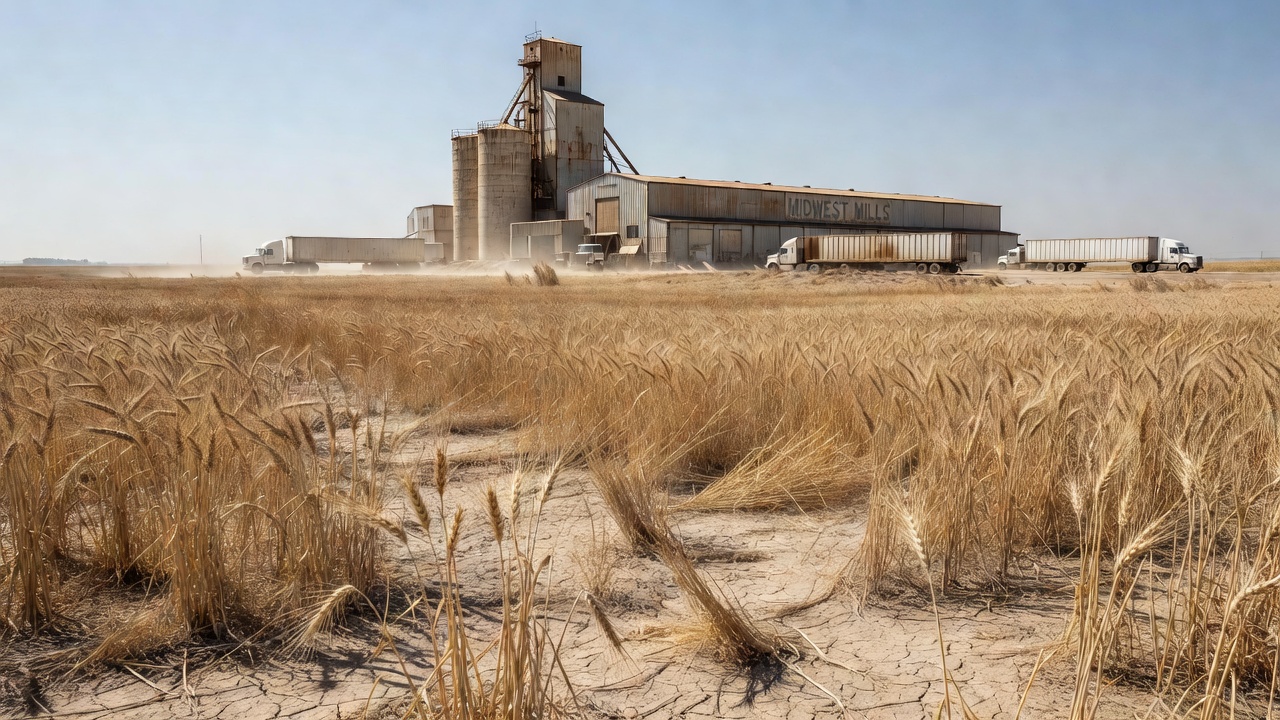
Mills in the Midwest region are reporting significant wheat supply shortages as a result of a prolonged drought that has hampered agricultural production over the past year. This situation has led to decreased harvests in primary growing areas, affecting the availability of grain for milling operations throughout states like Illinois, Missouri, and Minnesota.
Impact on Milling Operations
The extended dry spell has caused wheat crops to suffer from insufficient moisture, resulting in lower yields and variable quality. Milling companies have noted that they must now process more grain to achieve the same output levels of flour, thereby raising energy and labor costs. Many operators are turning to imports from other parts of the country or overseas to supplement local supplies, though this approach introduces logistical complexities and higher expenses. The shortages are also influencing market prices, with wheat futures showing upward trends in response to the reduced availability.
Industry experts highlight that small to medium-sized mills are particularly vulnerable, as they lack the resources to absorb these additional costs effectively. Production schedules have been adjusted in several facilities to account for the limited raw material inflows, potentially leading to shortages in flour supplies for bakeries and manufacturers in the near term.
Responses and Industry Outlook
To address these challenges, milling associations are advocating for policy measures that support affected farmers and encourage the adoption of advanced agricultural technologies. Investments in water conservation and soil management practices are being promoted as long-term solutions to mitigate the effects of future droughts. Additionally, collaborative efforts between the milling industry and research bodies are focused on breeding wheat varieties better suited to arid conditions.
The overall sentiment in the grain milling community is one of cautious optimism, with expectations that diversified sourcing and improved farming techniques will help stabilize supplies over time. However, continued monitoring of weather conditions remains essential to anticipate and prepare for any further disruptions in the wheat supply chain.