Amir Krause · 2 September 2026
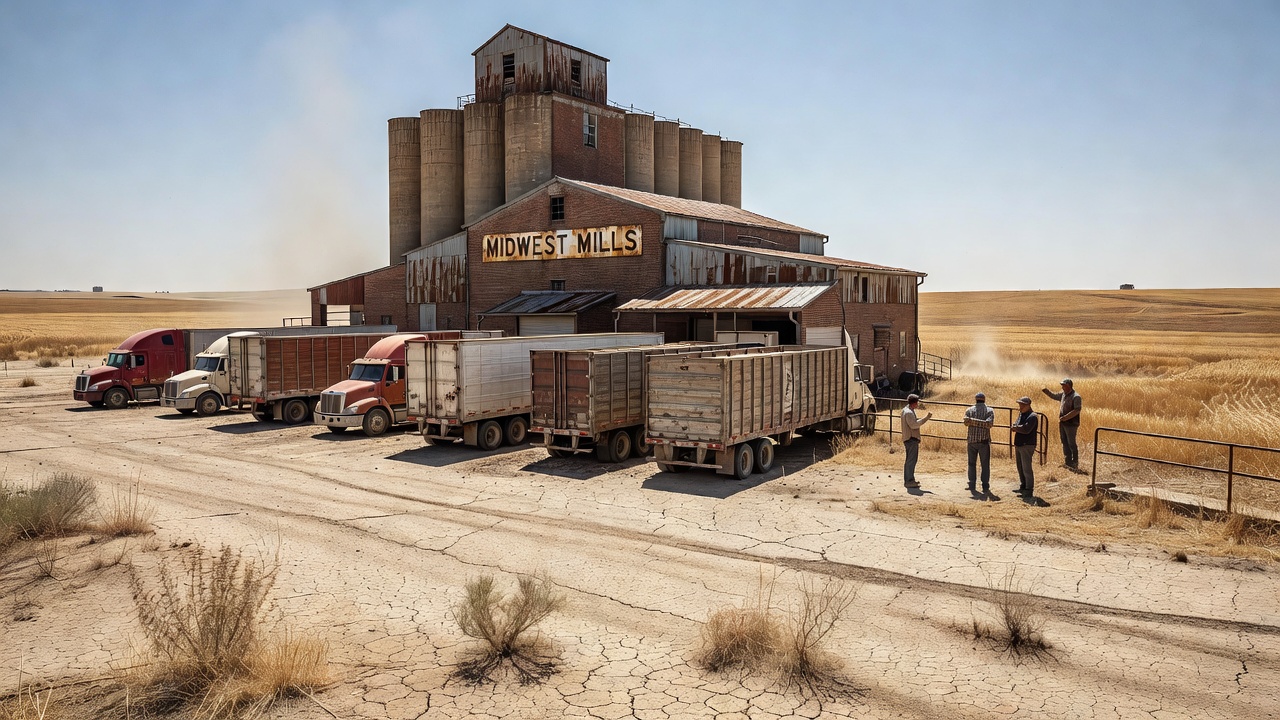
The grain milling industry in the Midwest is grappling with severe wheat supply shortages following an extended period of drought. Reports from various mills indicate that incoming shipments of wheat have dropped substantially, affecting daily operations and output levels across Kansas, Nebraska, and Iowa.
Impact on Regional Milling Operations
Facilities in key producing states are operating below capacity as they struggle to secure adequate volumes of suitable wheat. This shortage has prompted many operators to implement rationing measures and seek out alternative suppliers from other parts of the country. The drought conditions have not only reduced overall yields but have also impacted the quality of the grain, with lower moisture levels and variable protein content posing challenges for consistent milling results. As a result, production costs have risen, and some mills are considering temporary shutdowns during peak shortage periods. Industry analysts highlight that the situation is exacerbated by global market fluctuations, making it harder to import sufficient quantities quickly. Furthermore, the lack of rainfall over multiple seasons has led to soil degradation in farming areas, reducing future planting potential. Millers are now focusing on inventory management strategies to stretch existing supplies while lobbying for support from agricultural departments. Supply chain disruptions are compounding the issue, with railroads facing delays in delivering what little grain is available.
Adaptation Strategies and Long-Term Implications
In response, milling companies are adopting new technologies to optimize grain usage and minimize waste during processing. Partnerships with research institutions are being formed to explore resilient crop varieties that can withstand dry conditions. Economic forecasts predict continued pressure on prices, potentially affecting downstream industries such as baking and food manufacturing. The prolonged nature of the drought suggests that recovery may take several years, requiring sustained efforts from all stakeholders involved in the grain supply chain. Monitoring systems for weather and crop health are being enhanced to provide better early warnings for future events. These developments emphasize the need for diversified sourcing and improved water management practices in agriculture to bolster the resilience of the Midwest's milling sector against climatic adversities. Collaboration between millers, farmers, and policymakers will be essential to navigate these challenges.