Kai Schmidt · 2 September 2026
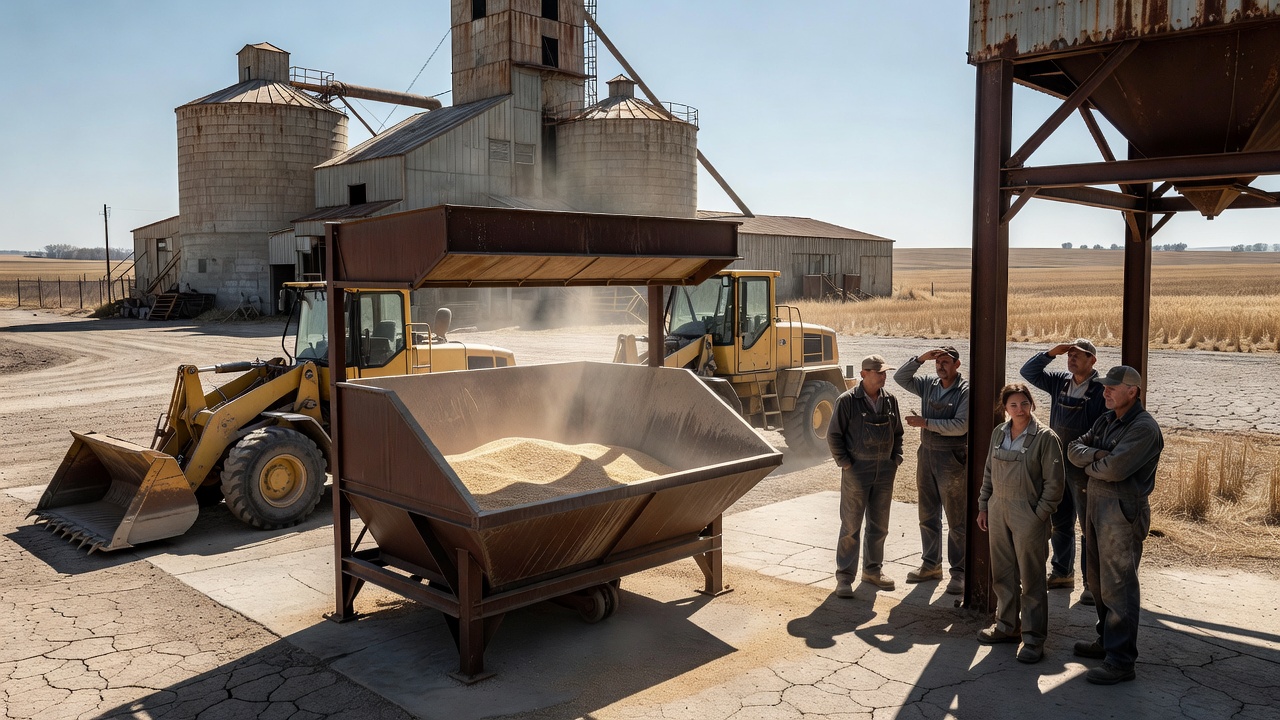
The prolonged drought across the Midwest has triggered wheat supply shortages at grain milling facilities, with operators in key states reporting significantly reduced deliveries. Yields in major producing areas have fallen sharply due to persistent dry conditions over multiple growing seasons, creating immediate challenges for maintaining steady production volumes.
Regional Supply Challenges
Mills in Kansas, Nebraska, and surrounding states indicate incoming wheat volumes are down nearly 30 percent from prior years. Smaller kernel sizes and lower protein levels in available grain have complicated processing, raising costs and requiring adjustments to equipment settings. Some facilities have reduced operating hours while others explore sourcing from distant regions, which adds substantial transportation expenses and potential delays in flour output for bakeries and food manufacturers.
Analysts highlight that quality variations are forcing mills to blend supplies more carefully to meet customer specifications. These disruptions ripple through the supply chain, contributing to elevated wheat prices and prompting downstream industries to reassess inventory strategies amid uncertainty over future availability.
Adaptation Strategies in Milling
Mill operators are responding by diversifying supplier networks and supporting research into drought-tolerant wheat varieties. Investments in improved storage and handling systems aim to reduce waste from lower-quality grain. Partnerships with agricultural services focus on better water management practices for farmers to build resilience against recurring dry spells.
Rising market prices have affected product margins, leading some mills to shift toward specialty flours that command higher returns despite lower volumes. Industry observers caution that sustained drought could intensify economic pressures, underscoring the importance of contingency planning and weather monitoring for long-term stability in Midwest grain milling operations.